
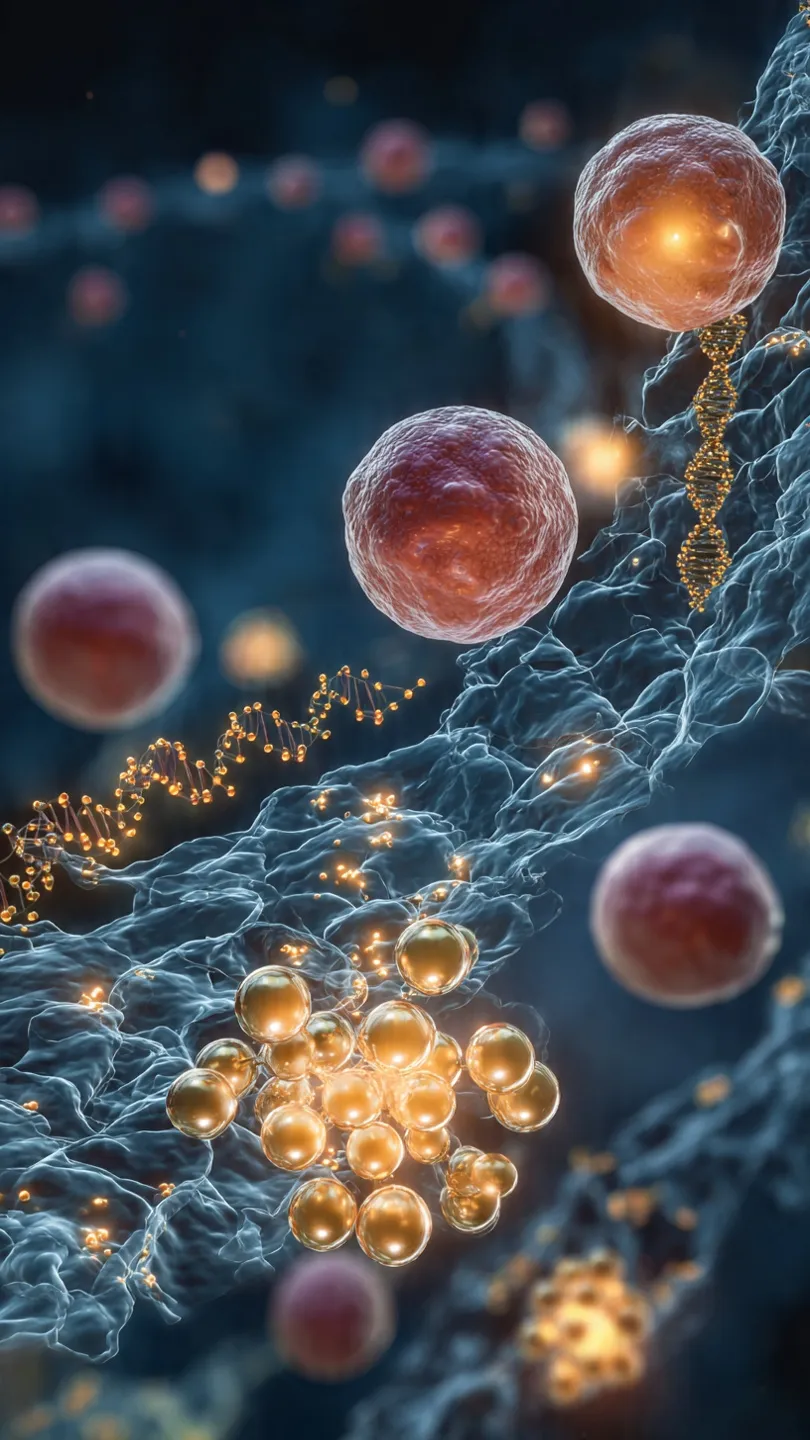
Imagine an enzyme and a nanoparticle had a baby. It would be super stable, work in extreme heat and acid, cost almost nothing to make, and never "expire" in your fridge. That baby exists. We call them nanozymes.
Nanozymes are nanomaterials that mimic the activity of natural enzymes. The difference? Natural enzymes are fragile proteins from plants, animals, or bacteria. Nanozymes are made of iron, gold, carbon, or cerium. And they are changing how we diagnose, treat, and prevent disease.
Here’s why doctors and scientists are so excited about them.
What Exactly Are Nanozymes?
Your body runs on enzymes. Catalase breaks down hydrogen peroxide. Peroxidase helps with immune responses. Glucose oxidase helps regulate sugar.
The problem: natural enzymes are picky. They only work at body temperature, neutral pH, and fall apart after a few weeks.
Nanozymes solve that.
By engineering materials at the 1-100 nanometer scale, scientists discovered that some nanoparticles can do the exact same chemical reactions as enzymes.
Key types:
1. Oxidase-like nanozymes:
Iron oxide, gold nanoparticles - used for detecting glucose and cholestero
2. Peroxidase-like nanozymes: Fe3O4, graphene oxide - turn color in presence of disease markers
3. Catalase/SOD-like nanozymes:
Cerium oxide, manganese dioxide - act as antioxidants
4. DNAzymes:
DNA strands with catalytic activity
Because they’re inorganic, they don’t denature. You can store them for years. You can put them in harsh conditions. And you can make them in bulk for cheap.
Interesting Fact #1: Nanozymes Can “See” Cancer Earlier Than Blood Tests
One of the biggest challenges in cancer is catching it early. Tumors release tiny amounts of biomarkers into blood - too little for normal tests to detect.
Example:
Fe3O4 Magnetic Nanozymes for Cancer Detection
Researchers developed peroxidase-like iron oxide nanozymes that attach to cancer antibodies. When they find a cancer cell marker, they trigger a color reaction 100x stronger than traditional ELISA tests.
In 2024 trials, this nanozyme-based test detected prostate cancer biomarkers at concentrations as low as 1 pg/mL. That’s like finding 1 grain of sugar in an Olympic swimming pool.
Why it matters:
Earlier detection = higher survival rates. And the test costs under $5 because the nanozyme doesn’t need refrigeration.
Nanozymes as “Artificial Antioxidants” for Inflammation
Inflammation and oxidative stress are behind almost every chronic disease: Alzheimer’s, Parkinson’s, arthritis, heart disease.
Your body uses natural enzymes like SOD and catalase to neutralize reactive oxygen species, or ROS. But in disease, we don’t make enough.
Enter Cerium Oxide Nanozymes - “Nanoceria”
Nanoceria can switch between Ce3+ and Ce4+ states. This lets it mimic both SOD and catalase at the same time. It literally acts like a rechargeable antioxidant.
Real example:
In mouse models of Parkinson’s disease, injecting nanoceria into the brain reduced neuron death by 60%. In colitis models, oral nanoceria reduced gut inflammation in 5 days.
Because they are catalytic, one nanozyme particle can neutralize thousands of ROS molecules before it’s cleared. A vitamin C pill can’t do that.
Interesting Fact #2: They Can Kill Antibiotic-Resistant Bacteria
By 2026, antibiotic resistance kills 1.2 million people per year. Bacteria are learning to beat our drugs. But they can’t easily beat chemistry.
Example:
Copper and Gold Nanozymes as Antibacterial Agents
Some nanozymes produce massive amounts of ROS on demand when you shine light on them. This is called "photodynamic therapy".
Copper-based nanozymes placed on a wound generate hydroxyl radicals that rip bacterial cell walls apart. In lab tests, they killed MRSA and http://E.coli strains that were resistant to 8 different antibiotics.
Even better: they also promote wound healing. The same nanozyme that kills bacteria also mimics catalase to reduce inflammation. So the wound closes 40% faster.
Companies are now making nanozyme bandages for diabetic foot ulcers.
Nanozymes in Diagnostics: The 10-Minute Test
Remember COVID rapid tests? They used antibodies and gold nanoparticles. Nanozymes make them 10x more sensitive.
Example:
Glucose Detection for Diabetes
Instead of using fragile glucose oxidase enzyme in test strips, new strips use cobalt-based nanozymes.
Result:
Test strips that work in 45°C heat, don’t expire for 2 years, and cost 70% less to produce.
In rural clinics in Pakistan, India, and Africa, this is huge. No cold chain needed.
Other uses in development:
- Pregnancy tests with 5-minute results using peroxidase nanozymea
- Cholesterol and uric acid strips for home use
- Food safety kits that detect http://E.coli in milk in 15 minutes
Targeted Drug Delivery and Therapy
Nanozymes aren’t just sensors. They can also be the treatment.
Example:
Tumor Microenvironment Therapy
Tumors are acidic and full of hydrogen peroxide. Scientists designed pH-sensitive nanozymes that only activate inside tumors.
Once inside, they convert the tumor’s own H2O2 into toxic oxygen radicals. This kills cancer cells from the inside, while leaving healthy cells alone.
In 2025 clinical trials, iron-based nanozymes combined with chemo reduced tumor size by 55% with 50% less chemo dose. Fewer side effects.
Another example:
After a stroke, the brain is flooded with ROS. Injecting manganese dioxide nanozymes within 6 hours reduced brain damage in rats by 45%. They act like an emergency cleanup crew.
Challenges and What’s Next
Nanozymes aren’t perfect yet.
1. Biocompatibility:
We need to prove long-term safety. Where do they go after 6 months?
2. Specificity:
Natural enzymes are extremely specific. Nanozymes are improving but still a bit "messy".
3. Regulation:
FDA and WHO are still creating guidelines for nanomedicine.
What’s coming in the next 3-5 years:
- Wearable nanozyme sensors that monitor sweat glucose in real time
- Nanozyme spraysfor sterilizing hospital surfaces
- Oral nanozyme pills for IBD and gut inflammation
- AI-designed nanozymes that mimic any enzyme we want
Conclusion: The Future is Catalytic
Nanozymes are not replacing doctors. They’re replacing the limitations of biology with the power of materials science.
From a $2 diabetes test in a village clinic, to targeted cancer therapy in a hospital, to wound dressings that fight superbugs - nanozymes are making healthcare faster, cheaper, and more accessible.
The most interesting part? We’re just at the beginning. In 2007 we discovered the first peroxidase nanozyme. In less than 20 years we’ve gone from lab curiosity to human trials.
Nature spent 3.5 billion years perfecting enzymes. Humans spent 15 years making something almost as good, but tougher.
And that might be what saves millions of lives.





















Responses (0)
Sign in to share your thoughts.
Sign in