When the sun sets, the human body is designed to begin a remarkable transformation. Hormones shift, body temperature gradually falls, and the brain prepares for one of the most important biological processes—sleep. For thousands of years, this natural rhythm was guided by daylight and darkness. Today, however, the night is no longer truly dark.
From smartphones and laptops to LED streetlights and brightly lit homes, artificial light has become an unavoidable part of modern life. While these innovations have improved convenience and productivity, researchers are increasingly discovering that excessive exposure to light after sunset may come with hidden health costs.
Your Body Runs on an Internal Clock
Deep inside the brain is a tiny region called the suprachiasmatic nucleus (SCN), often referred to as the body's master clock. This internal clock regulates the circadian rhythm—a roughly 24-hour cycle that influences sleep, hormone production, metabolism, body temperature, and even immune function.
Natural sunlight tells the brain it is time to stay awake and alert. As darkness arrives, the brain begins producing melatonin, a hormone that signals the body to prepare for sleep. This process has evolved over millions of years and plays a critical role in maintaining physical and mental health.
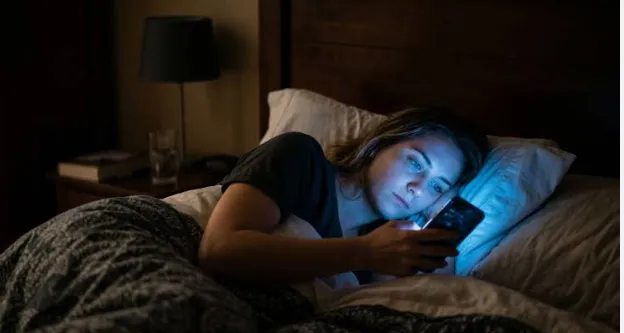
Artificial light, especially the blue light emitted by smartphones, tablets, televisions, and LED lighting, can interfere with this natural cycle. When the brain mistakes bright evening light for daylight, melatonin production is delayed, making it harder to fall asleep and reducing sleep quality.
Why Blue Light Matters
Not all light affects the body equally. Blue wavelengths are particularly powerful because they strongly stimulate special light-sensitive cells in the eyes. These cells communicate directly with the brain's biological clock.
During the morning, blue light is beneficial. It increases alertness, improves mood, and helps synchronize the circadian rhythm. At night, however, the same type of light can confuse the brain into believing it is still daytime.
Studies have shown that people who spend long periods looking at bright screens before bed often experience delayed sleep, shorter sleep duration, and increased daytime fatigue.
Sleep Is More Than Rest
Many people think sleep is simply a period when the body shuts down. In reality, the brain becomes incredibly active during sleep.
While sleeping, the brain strengthens memories, processes emotions, repairs damaged cells, and clears waste products through a recently discovered cleaning system known as the glymphatic system. Scientists believe this process may help protect the brain from harmful protein buildup associated with neurodegenerative diseases.
Poor sleep caused by nighttime light exposure can interrupt these essential processes.
The Hidden Effects on Mental Health
Sleep and mental health are closely connected.
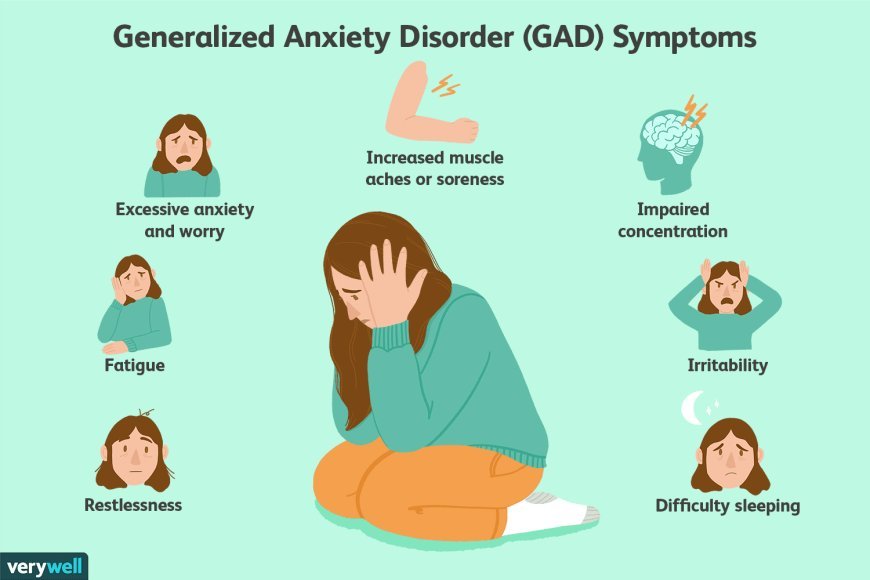
People who regularly experience insufficient or poor-quality sleep are more likely to report anxiety, irritability, difficulty concentrating, and symptoms of depression. Even one night of inadequate sleep can affect emotional regulation, making everyday challenges feel more overwhelming.
Researchers also suggest that disrupted circadian rhythms may contribute to long-term mental health disorders, although many factors influence these conditions.
Reducing unnecessary light exposure in the evening is one simple habit that may support better emotional well-being.
Metabolism and Weight Gain
Artificial light may also influence metabolism.
When the circadian rhythm becomes disrupted, hormones involved in hunger and fullness can become imbalanced. Levels of ghrelin, the hormone that stimulates appetite, may increase, while leptin, the hormone that signals fullness, may decrease.
This imbalance can lead to late-night cravings, overeating, and reduced energy expenditure.
Some studies have found associations between chronic circadian disruption—such as that experienced by shift workers—and an increased risk of obesity, type 2 diabetes, and cardiovascular disease. These conditions are influenced by many lifestyle factors, but maintaining healthy sleep patterns is considered an important protective factor.
Artificial Light and Eye Comfort
Contrary to popular belief, blue light from screens has not been shown to directly damage the eyes under normal everyday use. However, prolonged screen exposure can contribute to digital eye strain.
Symptoms may include:
Dry eyes
Blurred vision
Headaches
Eye fatigue
Difficulty focusing
These problems are usually caused by reduced blinking and extended close-up viewing rather than blue light itself.
Taking regular breaks and adjusting screen brightness can help reduce discomfort.
Simple Ways to Protect Your Circadian Rhythm
Fortunately, protecting your biological clock does not require giving up technology altogether.
Experts recommend several practical habits:
Dim household lights one to two hours before bedtime.
Limit smartphone and tablet use during the final hour before sleep whenever possible.
Use warm-colored lighting instead of bright white LEDs in the evening.
Keep a consistent bedtime and wake-up schedule—even on weekends.
Get plenty of natural sunlight in the morning to strengthen your circadian rhythm.
Avoid sleeping with bright lights or the television on.
If you must use screens at night, reduce brightness or enable nighttime display settings that shift colors toward warmer tones.
These small changes can make a meaningful difference over time.
A Future That Respects Darkness
Modern technology has transformed human life in extraordinary ways. Artificial lighting allows hospitals to operate through the night, students to study after sunset, and families to stay connected across the globe.
Yet our biology still reflects the natural world in which humans evolved.
Darkness is not simply the absence of light—it is an essential biological signal. Just as plants rely on changing seasons and animals follow natural cycles, the human body also depends on predictable patterns of light and dark.
By respecting those rhythms, we may improve not only our sleep but also our mood, metabolism, concentration, and overall health.
Sometimes the healthiest habit is also the simplest: turning down the lights, putting away the phone, and allowing the night to be dark once again.















Responses (0)
Sign in to share your thoughts.
Sign in