Can Your Sleeping Habits Affect How Long You Live? The Science Behind Seven Hour
Have you ever wondered whether the way you sleep today could affect your health many years later? Most people think slee


In this article 6 sections
Have you ever wondered whether the way you sleep today could affect your health many years later? Most people think sleep is simply a way to rest after a tiring day. However, scientists have discovered that our sleeping habits may be connected to something much bigger: how long and how well we live.
Research suggests that getting around seven hours of sleep each night is associated with better long-term health in adults. But why does this number matter?

What Happens Inside Your Body While You Sleep?
Sleep is not a period when your body completely stops working. In fact, many important processes happen while you are sleeping.
Your brain processes information, stores memories and supports learning. Your body also repairs tissues, regulates hormones and supports the immune system.
When you regularly sleep too little, these processes may not work as effectively. You may experience poor concentration, mood changes, tiredness and difficulty making decisions.
Over time, insufficient sleep has also been associated with a higher risk of health problems, including heart disease and metabolic disorders.
Why Do Scientists Talk About Seven Hours?
Seven hours is not just a random number.
Several scientific studies have examined the relationship between sleep duration and the risk of dying from different causes.
A large analysis of previous research found that the lowest risk of death was associated with approximately seven hours of sleep per day. Another study involving more than 1.3 million adults also found that both shorter and longer sleep durations were associated with higher mortality.
Interestingly, the relationship appears to follow a U-shaped pattern. This means that sleeping too little and regularly sleeping much longer than usual can both be associated with health risks.
However, this does not mean that sleeping exactly seven hours guarantees a longer life. These studies show associations, not proof that sleep duration alone determines lifespan.
Can Sleeping Too Much Also Be a Problem?
Many people believe that more sleep always means better health. Surprisingly, this is not necessarily true.
Regularly sleeping for nine or ten hours may sometimes be associated with health problems. But there is an important detail: longer sleep does not automatically cause illness.
Sometimes, people sleep longer because they already have an underlying health condition, poor sleep quality or another problem that makes them tired.
Therefore, suddenly needing much more sleep than usual should not always be ignored.

Your Sleeping Habits Matter Too
The number of hours is important, but your daily routine also matters.
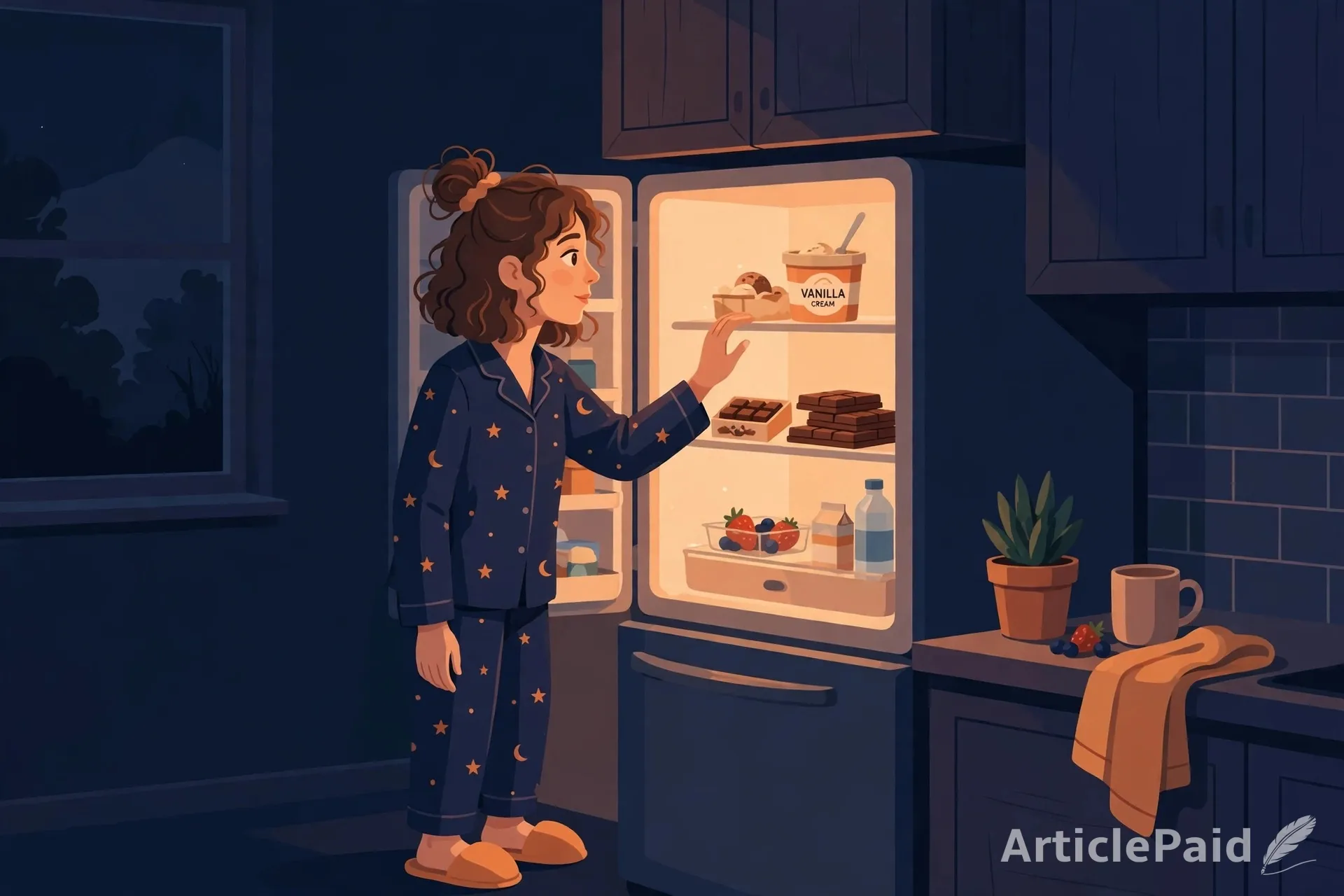
Going to bed at completely different times every night can disturb your body's internal clock. Using bright screens late at night, drinking caffeine in the evening and eating heavy meals close to bedtime may also make it harder to sleep comfortably.
A healthy sleep routine does not need to be complicated.
How Can You Improve Your Sleeping Habits?
Here are some practical changes that can make a difference:
1. Follow a regular schedule: Try to sleep and wake up at similar times every day, including weekends.
2. Reduce screen time: Avoid using your phone immediately before bedtime. Give your brain some time to relax.
3. Avoid late caffeine: Tea, coffee and energy drinks can affect your ability to fall asleep, especially when consumed later in the day.
4. Create a comfortable environment: Keep your bedroom quiet, dark and comfortably cool.
5. Pay attention to your body: If you regularly feel tired despite getting enough sleep, consider discussing it with a healthcare professional.
Final Thoughts
Sleep is not wasted time. It is one of the most important ways our bodies maintain themselves.
Scientific research suggests that around seven hours of sleep is associated with better long-term health for many adults, although individual needs can differ.
We often spend time improving our diet, exercising and choosing healthier foods, but forget that sleep deserves the same attention.
Perhaps living healthier for longer does not always begin with a complicated routine. Sometimes, it begins with something as simple as giving your body enough time to rest.














Responses (0)