Your Brain Keeps Working in Secret While You Sleep


While most people believe your brain switches off while you sleep, it actually keeps busy during this time. Even when you are completely unaware, your brain is undertaking several important functions to help keep you healthy, remember things, and keep your emotions in check. Some key tasks happen in your brain while you are sleeping.
Sleep plays a key role in helping your brain sort through information, strengthening memories, clearing out rubbish and getting you ready for tomorrow.
The Brain Organizes Your Memories

One of the most fascinating things your brain does while you sleep is help you sort through your memories. Throughout the day we take in so much information, whether it be having conversations, learning new things, problem solving, feeling emotions or taking in everything around us.
Your brain isn’t able to prioritise everything so it will work hard to sort through your experiences while you’re sleeping.
Memory consolidation helps with transferring and reinforcing important information. This can help students remember their revision after a good night's sleep. If you’re learning a new language or practising an instrument you may notice you perform better after a good night’s sleep.
This is why it’s often not a good idea to stay up all night revising. Although you will be revising for longer, you won’t be able to remember as much due to not getting enough sleep.
Your Brain Cleans Itself During Sleep
An interesting find is that our brains have a rubbish removal system that becomes very active while we sleep.
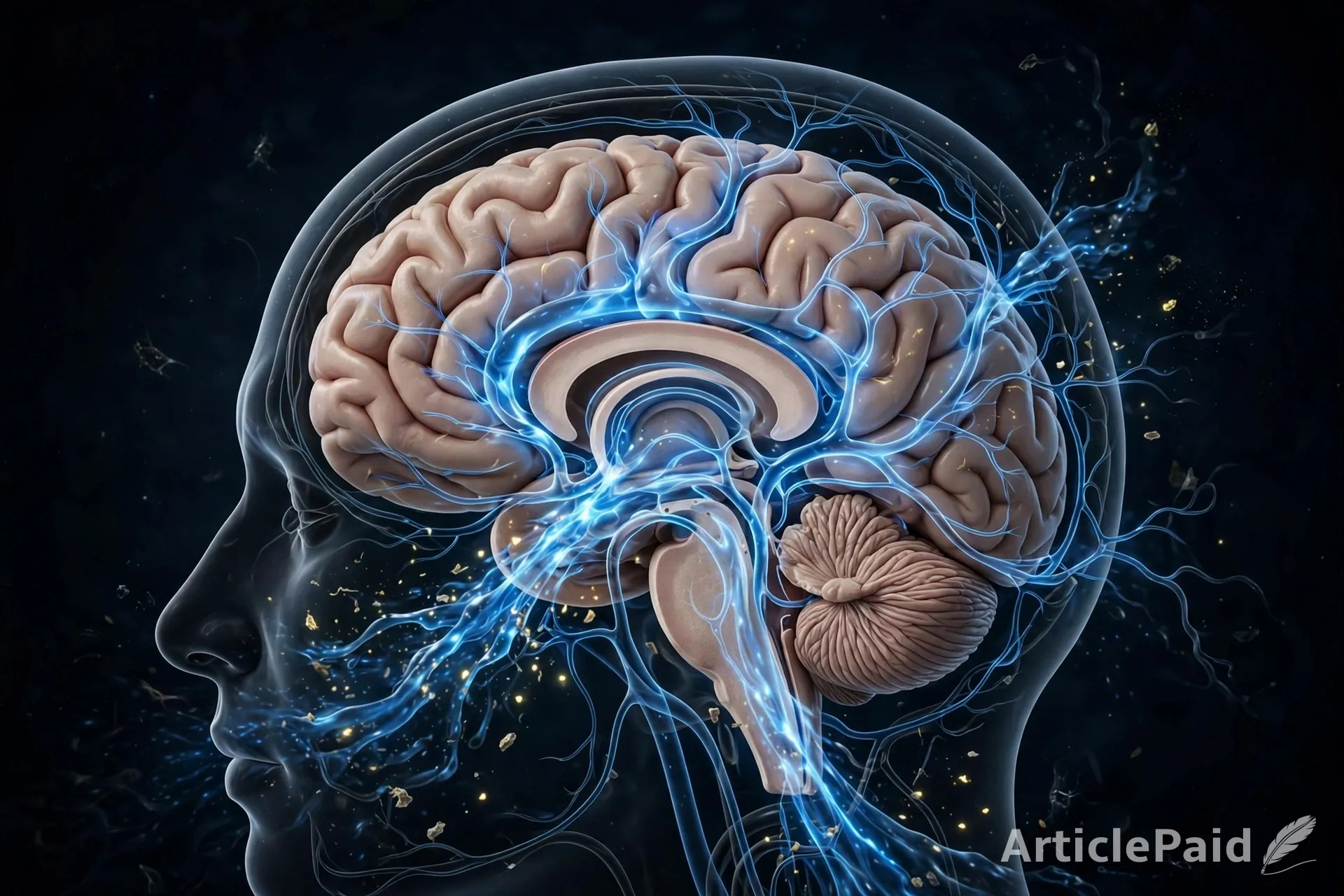
Our brains create rubbish throughout the day. Scientists have discovered a system known as the glymphatic system to help clear certain types of rubbish from our brains.
While sleeping our brain spaces can change to help fluids move through our brains to clear out the rubbish. This is seen as a key process to help keep our brains healthy.
Scientists are continuously researching how this system works and how it can affect our brain long term; however, it gives another reason why it’s important to get regular good quality sleep.
Dreams Have a Connection With Brain Activity
Dreaming is another mysterious part of sleeping. Sometimes we have nice dreams; however, sometimes we have weird, confusing or scary dreams. Although we haven’t fully understood why we dream, we know it is linked to several processes in our brain.
We tend to dream more during REM sleep. Our brain is very active during this time and our eyes move quickly under our closed eyelids. Our brain is processing our emotions, memories and experiences in complex ways.
However, we aren’t always dreaming during REM sleep.

Researchers believe our dreaming could be linked to our memory and emotions. We often have dreams about our experiences throughout the day but in unusual combinations. This doesn’t mean every dream has a secret meaning or predicts the future. They are just part of our brain's complex processes during sleep.
Sleep Helps Control Your Emotions
Have you ever noticed that everything seems more frustrating after a bad night's sleep? Everything seems to bother you more and you may struggle to control your reactions.
Scientifically speaking, sleeping plays a big role in our emotional regulation. If we don’t get enough sleep, parts of our brain that help us with our emotions and decision-making may not function as well.
If we have had a good night's sleep our brain will generally be better prepared to deal with stressful situations, understand situations and remain calm during tough experiences.
This is very important for children and teenagers as their brain is still developing. Adults will also need enough sleep to keep their emotions balanced.
Your Brain Remains Active Throughout the Night
Whilst sleeping your brain goes through different stages in cycles. These are Non-REM sleep and REM sleep.
During deep Non-REM sleep our bodies focus on physically recovering. Our brains are still going through important processes to help us recover and remember things. During REM sleep our brain becomes more active and we are more likely to have vivid dreams.
Both of these stages are important and therefore how much and how well we sleep can impact us.
If we are constantly waking up we won’t get enough of each stage. This can leave us feeling tired the next morning even if we have been in bed for several hours.
Tips To Help Your Brain During Sleep
There are several simple tips you can do to help improve your sleep.
- Try to go to bed and wake up at the same time. Going to bed at roughly the same time each night will help create a good sleeping pattern.
- Try to limit using bright screens. Phones, computers and TVs can make it difficult for some people to relax.
- Try not to consume too much caffeine late in the day. Coffee, tea and energy drinks can make it difficult for you to sleep.
- Having a comfy, quiet and dark bedroom can help. Keeping active and eating a balanced diet will help your overall health and can help you sleep better.
- Most adults will need at least 7 hours' sleep per night. However, this can vary from person to person.
Conclusion
Although sleeping may seem like your brain is doing nothing, it’s actually doing some amazing things! While you are sleeping, your brain is sorting through your memories, processing your emotions, completing important maintenance processes and getting you ready for the next day.
Knowing that your brain is doing all these secret processes will help you realise how important good quality sleep is. It’s not a waste of time, it’s an important part of keeping your brain healthy.
Next time you put your phone down and close your eyes remember that your brain is still working and doing some of the most important things!














Responses (0)