Spider Silk Is Stronger Than Steel and Scientists Know

In this article
By studying the molecular structure of spider silk, biologists are discovering how an interlocking network of disordered proteins transforms into a strong, flexible fiber.
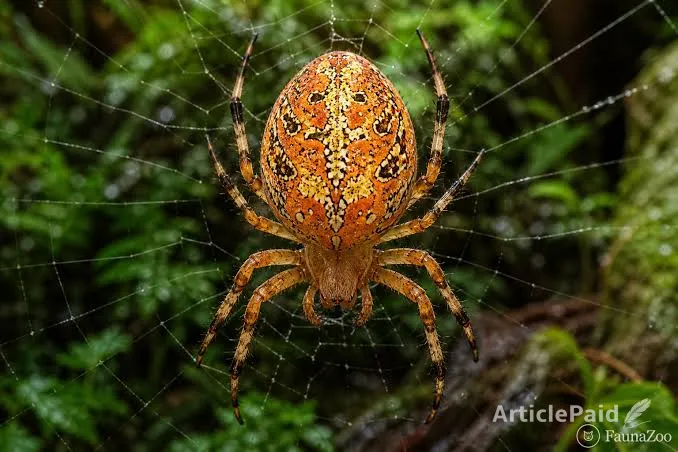
The marbled orb-weaver (*Araneus marmoreus*) weaves its web, laying down one silk strand after another.
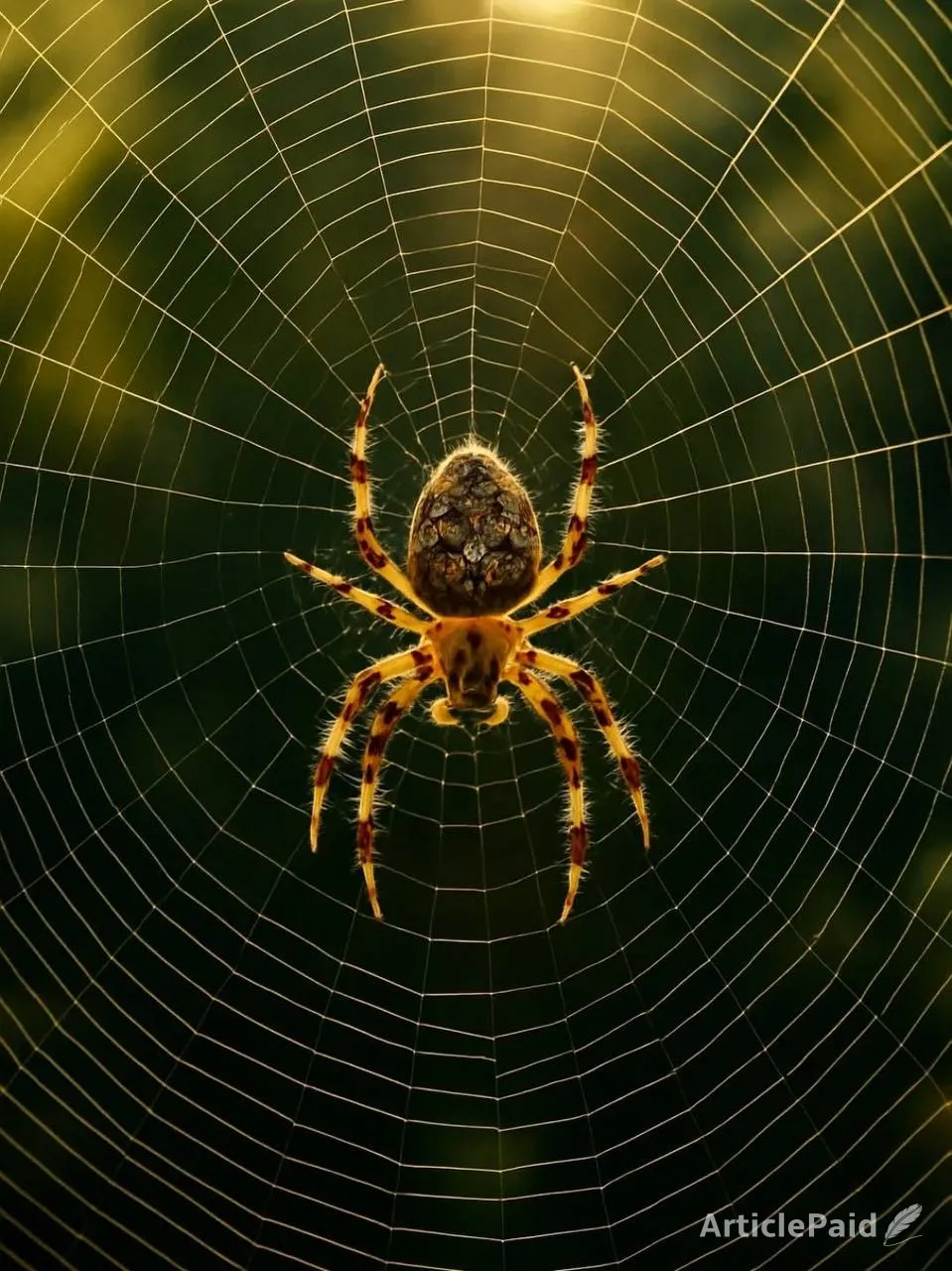
If a spider is knocked from a wall, its fall is short-lived. In a matter of milliseconds, it transforms a protein "soup" into a sturdy piece of climbing gear. Using a thin, shimmering silk thread, the spider hauls itself back up.
This thread surpasses Kevlar—a synthetic fiber used in bicycle tires and body armor—in fracture toughness, and it exceeds steel in tensile strength. It is flexible and biocompatible with the human body. Scientists envision using spider silk to create high-performance materials for seat belts, helmets, naval equipment, and even scaffolds to aid in the regeneration of brain cells. However, attempts to produce spider silk in the laboratory have yet to yield the desired results, as researchers do not yet fully understand how a spider converts its "silk dope"—a liquid mixture of proteins, water, and salts produced by its silk glands—into an incredibly strong solid material.
According to Gregory Holland, a chemist and spectroscopy expert at San Diego State University, uncovering the molecular mechanisms behind this process is the "holy grail" of this field of research. He recently led a study that described how molecules within the liquid silk dope reorganize into semi-liquid droplets, known as condensates, before transforming into solid silk fibers. These findings offer a glimpse into the inner workings of a spider’s silk-producing "factory" at the atomic level. These discoveries also serve as a practical guide to the formation of condensates—a mechanism nature has repeatedly employed to organize molecules during genetic processes and to create remarkably strong biological materials.
"It’s becoming clear that [condensates] represent a common strategy used by a wide variety of organisms," said Matthew Harrington, a specialist in biological materials at McGill University who was not involved in the study. By uncovering how nature utilizes these condensates, scientists hope to replicate some of the toughest materials that nature produces.
A Silk Factory
Spiders are incredible natural factories. They are capable of producing up to seven different types of silk, with a single spider often able to generate several of these varieties. Aciniform silk is used to wrap up insects, saving them for a future meal. Elastic flagelliform silk reinforces the capture spiral of a web, allowing it to absorb impacts. Frame silk anchors the web—and the spiders themselves—to surfaces. Each type of silk possesses distinct properties, which depend on the spider species and the specific organization of the molecules that compose it. Even silk of the same type can exhibit slight variations in properties across different species.
In 1907, scientists discovered that spider silk is composed of long, modular proteins, which were later named "spidroins." These belong to the same group of fibrous proteins as collagen and keratin. More than half a century later, X-ray studies began to reveal the internal structure of the fiber. It was discovered that the silk consists of flat protein sheets—known as beta-sheets—embedded within a less ordered, non-crystalline matrix.
In the early 2000s, while studying spidroins in solution, scientists failed to find the organized, stable structures characteristic of most proteins. Instead, it turned out that spidroins contain intrinsically disordered regions that are in constant motion, shifting into various shapes and then changing them again. Researchers then set out to understand how this "soup" of disordered proteins could organize itself into strong, solid fibers. One early theory suggested that proteins within the silk mass begin to align with one another—much like molecules in a crystal—while still retaining mobility, existing in an intermediate state known as a "liquid crystal." Another hypothesis proposed that spider silk forms in a manner similar to silkworm silk: proteins organize into micelles—small, spherical structures—which then condense to form a silk fiber.
Then, in 2007, researchers observed that lab-synthesized spidroins formed liquid-like droplets. Before long, such structures began appearing everywhere in modern biology. In 2009, scientists from the Marine Biological Laboratory in Massachusetts and the Max Planck Institute in Germany discovered droplets composed of clustered RNA molecules within the fertilized eggs of worms. These were "condensates"—liquid or gel-like globules containing high concentrations of proteins, suspended within a solution. Although such structures had been observed for over a century, it was at this point that they began to be recognized as a vital mechanism for organizing molecular processes throughout the living world.
Researchers realized that condensates concentrate molecules, organizing them within a flexible microenvironment without locking them into a rigid, solid-like state. "Because they are liquid, they are malleable," Harrington explained, "which means you—or rather, a biological system—can shape them into virtually any form required."
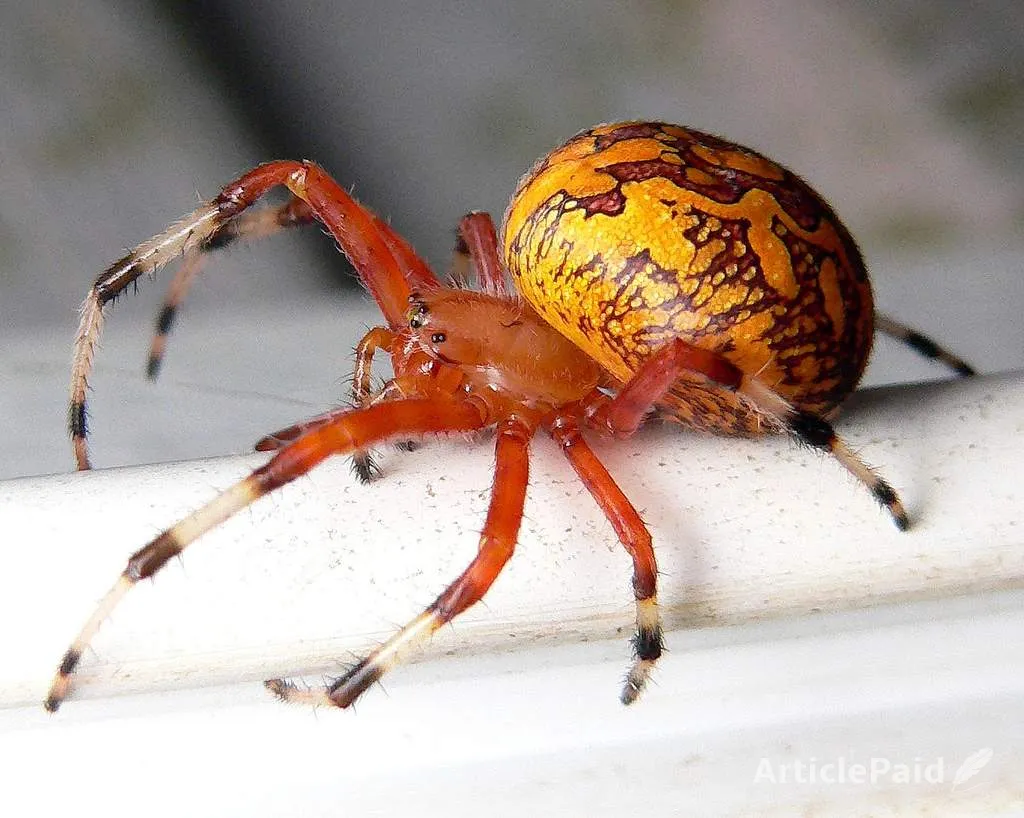
Further research has shown that living cells ubiquitously employ condensates to organize DNA, regulate gene expression, and package proteins. On a macroscopic level, they enable various species to create extraordinary materials. They are responsible for the formation of squid beaks, which exhibit a gradual transition in stiffness across different regions. They also play a role in creating the powerful adhesives that allow mussels to anchor themselves to rocks, as well as the marine cement that lugworms (polychaete worms) use to construct protective tubes.
"This is a very rapidly developing field of biology," said Holland.
Although researchers had described the formation of condensate-like clusters in laboratory-based spidroins (spider silk proteins) more than a decade ago, they were not explicitly identified as condensates until 2020. At that time, Keiji Numata, a chemist specializing in biomaterials at Kyoto University, proposed that spider silk passes through a condensate phase as it transitions from a liquid mass into a solid fiber.
Condensates form as a result of "liquid-liquid phase separation"—a process in which molecules within a liquid, triggered by factors such as changes in acidity, chemical composition, or temperature, begin to interact weakly with one another, readily forming and breaking bonds. Numata hypothesized that phosphate present in the ampulla—the middle section of a spider’s silk glands—might trigger these interactions. However, the atomic-level mechanisms governing their formation remained undescribed until Hannah Johnson, then a graduate student in Holland’s laboratory, decided to investigate the matter.
Inside the Black Widow
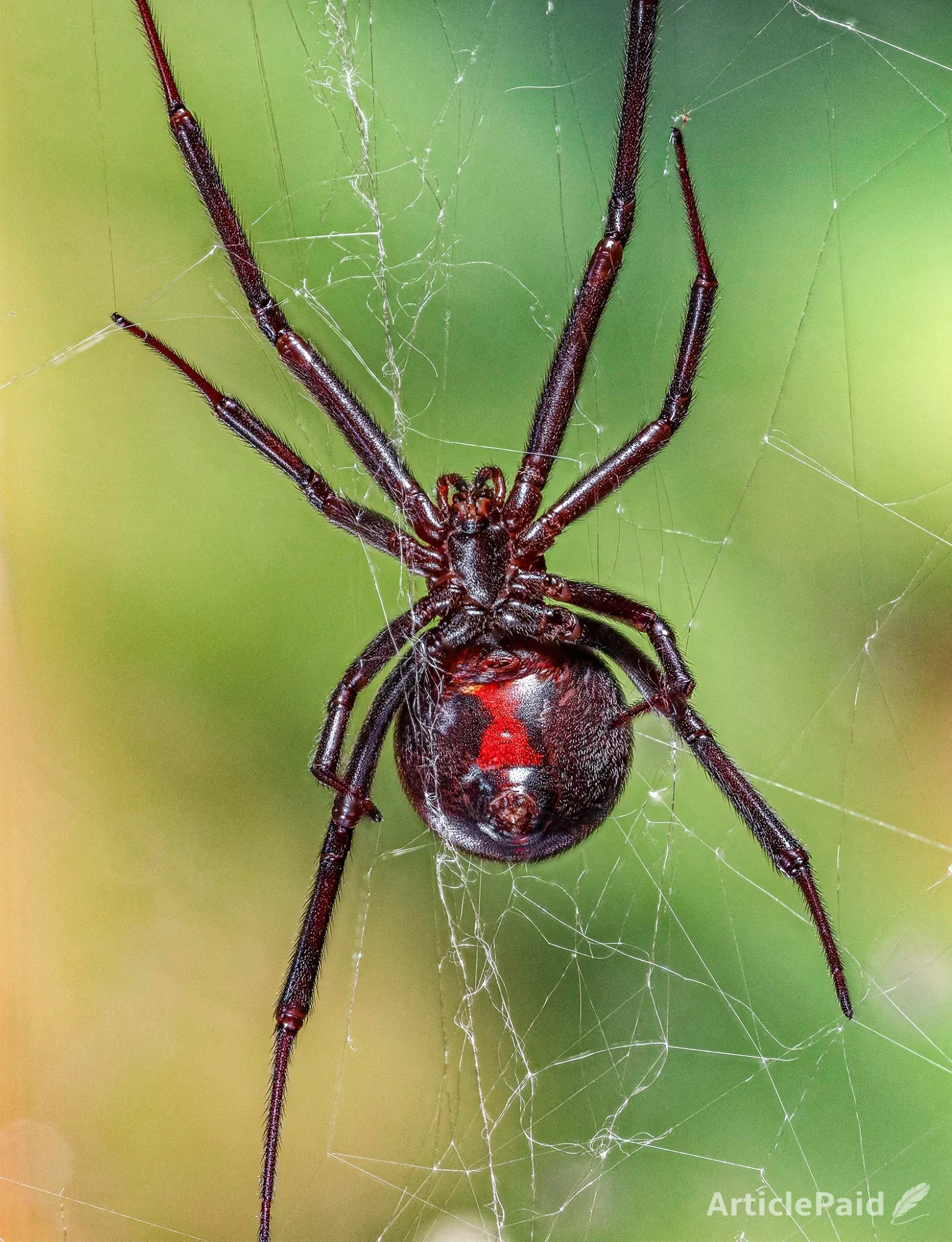
To catch prey, black widows create a disorganized web of sticky strands that act like tripwire traps.
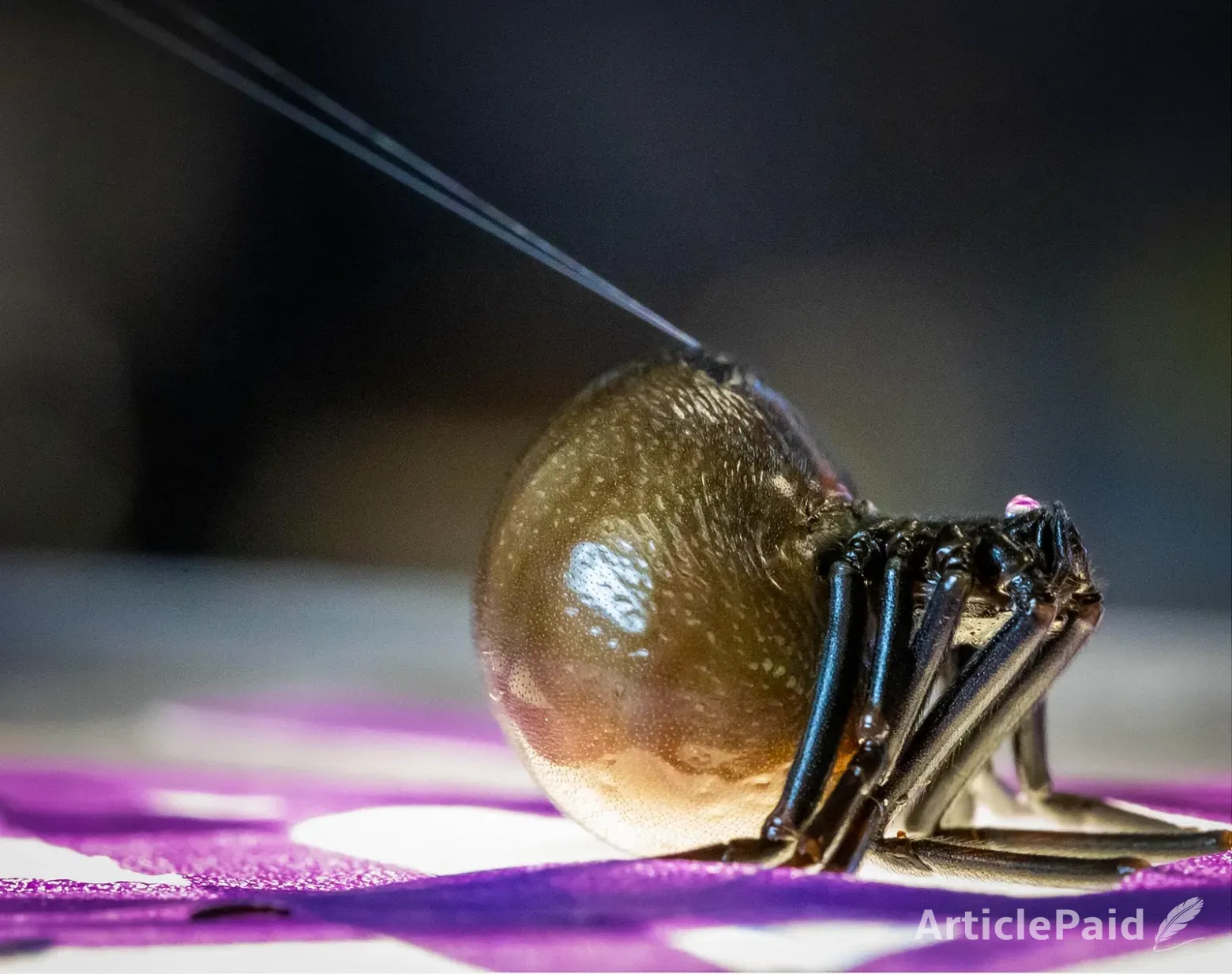
To obtain silk for their experiments, the scientists carefully wound the threads emerging from the spiders' spinnerets.
Every few months throughout 2023 and 2024, a package containing female black widow spiders arrived at the Department of Chemistry at the University of California, San Diego. These arachnids—jet-black with red markings—produce a potent venom that can cause painful reactions in humans. Aside from this minor inconvenience, they are excellent subjects for the study of spider silk. The spidroin proteins that make up their structural silk are among the most thoroughly characterized of any spider species. Furthermore, black widows are available year-round, unlike some other species that only spin webs during specific seasons.
Over the course of two weeks, Johnson donned two pairs of protective gloves on six separate occasions. For an hour at a time, she and several students would collect silk from black widow spiders that had been sedated with carbon dioxide. Using tweezers, the researchers carefully pulled a silk thread from the spider’s spinnerets—organs located on the abdomen from which the fibers emerge—and wound it onto a test tube spun by an electric motor.
"The spiders that produce a huge amount of silk are our favorites," Johnson said. "But I have a soft spot for the rebels who refuse to cooperate." Throughout the process, the researchers fed the black widows a cocktail of amino acids—essentially "protein shakes," as Johnson described them—enriched with specific isotopes that could be detected in the laboratory.
Nuclear magnetic resonance (NMR) spectroscopy is a technique used to determine molecular structure. It employs radio-frequency pulses that interact with atomic nuclei, which then respond in a manner characteristic of their specific type. Johnson used NMR spectroscopy to study the liquid silk precursor, as well as condensates extracted from the spiders' silk glands. Meanwhile, Kevin Chalek—then a researcher in the Holland lab and now a scientist at the University of California, Los Angeles—worked to determine the atomic structure of the proteins within the solid silk fiber.
"We were trying to bridge the gap between what happens to the protein inside the spider and what happens to it once it’s outside," Chalek said. "It’s the same protein, so why does it differ so significantly? And what exactly occurs during the transition between these two states?" Johnson discovered that when phosphate is added to liquid silk—triggering a condensation process—the side chains of two amino acids, arginine and tyrosine, begin to interact weakly with one another within the intrinsically disordered regions of the spidroin proteins. This interaction displaces water, organizing the disordered proteins into a denser, gel-like material known as a condensate. Since this interaction persists even within the solid fiber, it suggests that these amino acids act as "molecular Velcro," guiding the organization of disordered proteins—first into condensates, and subsequently into fibers.
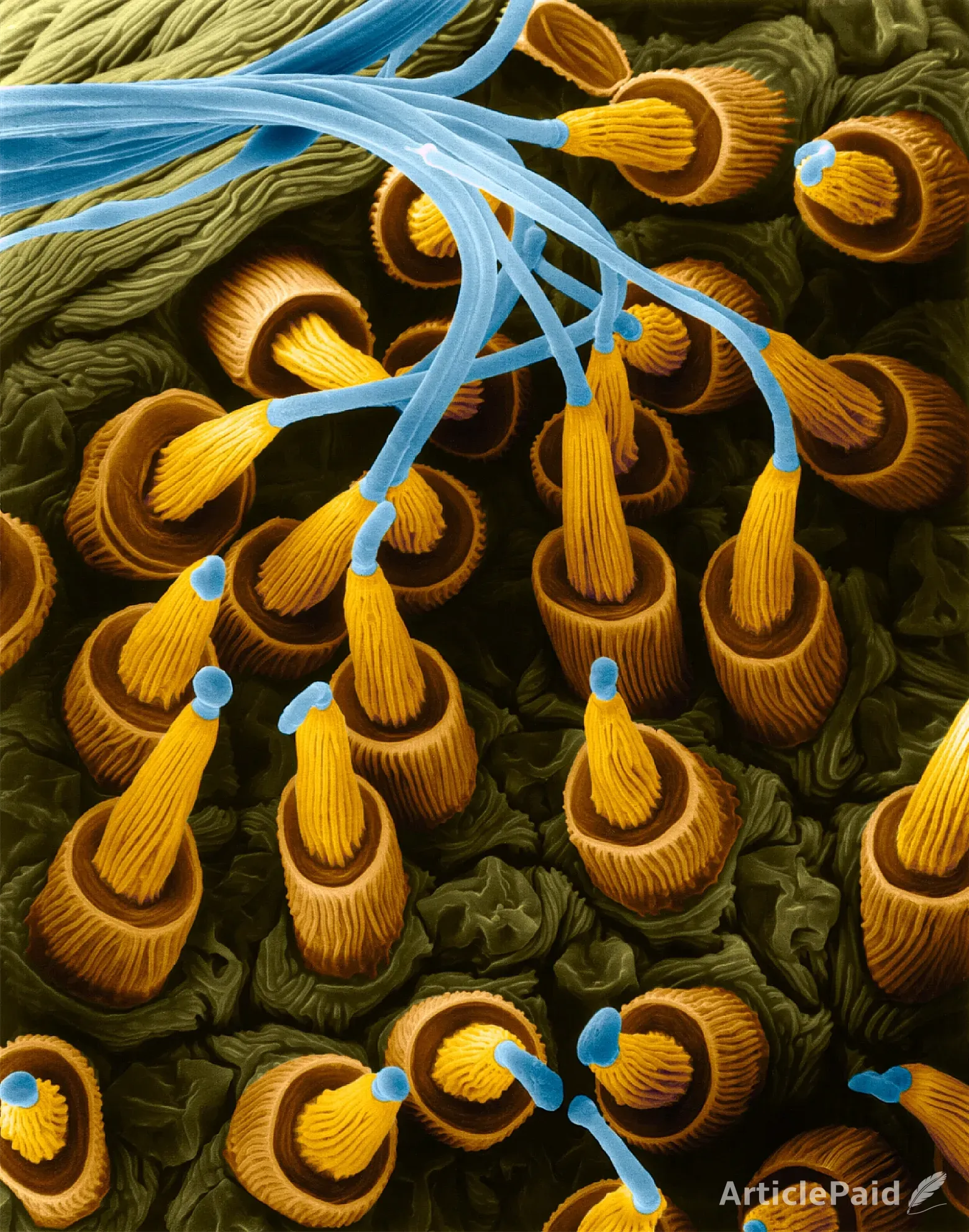
An image of the spigot-like structures on the spinnerets of a spiny orb-weaver spider (*Gasteracantha cancriformis*), captured using a scanning electron microscope.
Other members of the team used AlphaFold—an artificial intelligence tool for modeling protein structures—along with molecular dynamics simulation software to computationally replicate this process. Scientists already know that the strength of spider silk is derived from stable protein structures known as beta-sheets, which are present in the finished fiber. The simulations revealed that these specific amino acids are located precisely at the bends of the beta-sheets, suggesting they may play a role in guiding spidroins toward their final structural configuration.
"Understanding how these side groups interact—and how they can give rise to a structure that is greater than the sum of its individual parts—is simply remarkable," said Chris Holland, a biologist at the University of Sheffield who was not involved in the study (and is not related to Gregory Holland). Furthermore, the researchers used actual spiders rather than synthetic silk, "which is fantastic."
According to Daiwen Yan, a biologist at the National University of Singapore who was not involved in the study, these findings provide "direct evidence" that condensates can form from natural silk, which is "highly significant."
The description of these condensates does not refute earlier theories regarding the formation of spider silk. Gregory Holland, who previously demonstrated the presence of micelles in natural spider silk, suggested that all three structures—micelles, condensates, and liquid crystals—might represent stages of the same phase transition. The micelles that form within the liquid silk mass prevent the randomly oriented proteins from sticking together or becoming tangled. Proteins may also pre-assemble into condensates or organize into structures resembling liquid crystals before emerging from the spinnerets as highly ordered fibers. However, according to Gregory Holland, the actual process is likely "more dynamic and heterogeneous" than a simple sequence of stages, with several types of structures potentially forming simultaneously within the same mixture.
Harrington agreed with this assessment. "I don’t think these options are mutually exclusive," he said. "Different types of phase transitions could occur at various stages of the processing."
Neverheless, much remains to be discovered about how all these interactions come together within the natural production line. There are likely other significant interactions between amino acids that researchers have yet to describe in detail. They are also looking for factors—other than phosphate—that might trigger the process. "There could be a whole range of other factors that induce structural changes in these proteins," said Chris Holland. "We don’t yet know all the switches."
Phase transition of spider silk: Inside their silk glands, black widow spiders employ chemical and mechanical forces to assemble proteins—contained within a liquid "silk dope"—into a strong, flexible, and versatile fiber. Experiments and computer simulations provide new insights into the intermediate stages of this phase transition.
Change in acidity: pH 7.5 → pH 6.3 → pH 5.7.
Stages of silk formation: spidroins → micelles → condensates → liquid crystals → fiber.
Tail: Initially, the major ampullate (frame) silk exists as a liquid mass in which spidroin proteins are arranged chaotically. In this state, it enters the ampullate gland.
Ampulla: Spidroins aggregate into intermediate structures. Some of these assemble into spherical formations known as micelles. Chemical changes can trigger the formation of gel-like condensates. Intermolecular interactions can orient the spidroins in roughly the same direction, forming liquid crystals.
Duct: The environment gradually becomes more acidic. This drop in pH—combined with other chemical changes, the removal of water, and mechanical forces—reconfigures intermolecular interactions and organizes the arrangement of the proteins.
Spigot: The major ampullate silk fiber emerges through the spigot. Crystalline layers of spidroin protein are embedded within a less ordered protein matrix. Together, these components grant spider silk its characteristic strength and flexibility.
Superior Materials
A full account of the complex process of spinning spider silk would be an immense undertaking, yet the potential results could prove exceptionally valuable. Spiders produce only small quantities of usable silk—far less than silkworms, which have been farmed for their cocoons for over 4,000 years. While it takes thousands of silkworms to produce enough silk for a single shirt, one would need roughly a million spiders—partly because spiders do not spin cocoons that can be easily harvested and processed. There is also a more practical hurdle: the cannibalistic nature of spiders makes them difficult to keep, as each individual requires its own separate enclosure.
Producing spider silk in a laboratory could pave the way for a new generation of materials that are both incredibly strong and highly flexible. Kevlar, a synthetic fiber, is currently considered our most durable material; however, its production requires high-temperature processing and an acidic environment. "Yet, you have organisms like spiders or mussels," says Harrington, "that essentially create a superior material under ordinary conditions—in seawater or simply in the open air."
Humans have not yet managed to replicate the feats of these organisms. When scientists synthesize spider silk in the lab—using the exact same amino acid sequence to construct the protein known as spidroin—the resulting silk is less robust than the natural version. "There is something happening there that we haven't yet been able to reproduce," says Chalek. He suggests that the extra strength must stem from factors beyond the protein’s beta-sheet structures—perhaps other, as-yet-unidentified features of the silk’s architecture, or specific segments of the spidroin protein that are frequently missing from the solutions used to create synthetic silk.
"I think that once we truly understand these structural principles," said Chris Holland, "we’ll be able to do much more with silk."












Responses (0)