

Why Do Our Bodies Age at Different Speeds?
Chronological Age vs. Biological Age
- Chronological age is simply the number of years you have been alive. It is the number on your birthday cake. You can not change this, and it ticks forward at a steady, unstoppable rate.
- Biological age, on the other hand, measures how well your cells, tissues, and organ systems are actually holding up. It is determined by the wear and tear on your body.
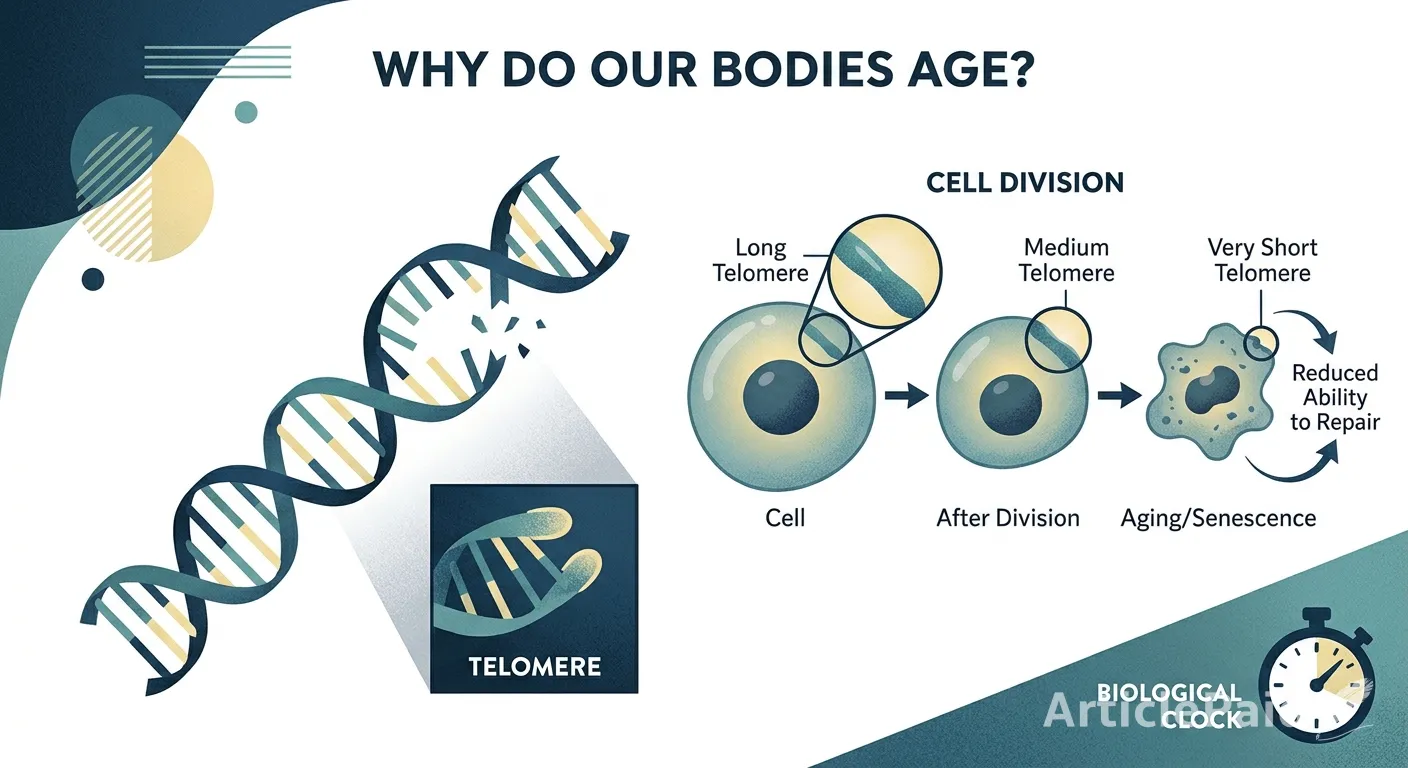
Genetics: The Hand We Are Dealt
Lifestyle: How We Treat Our Engines
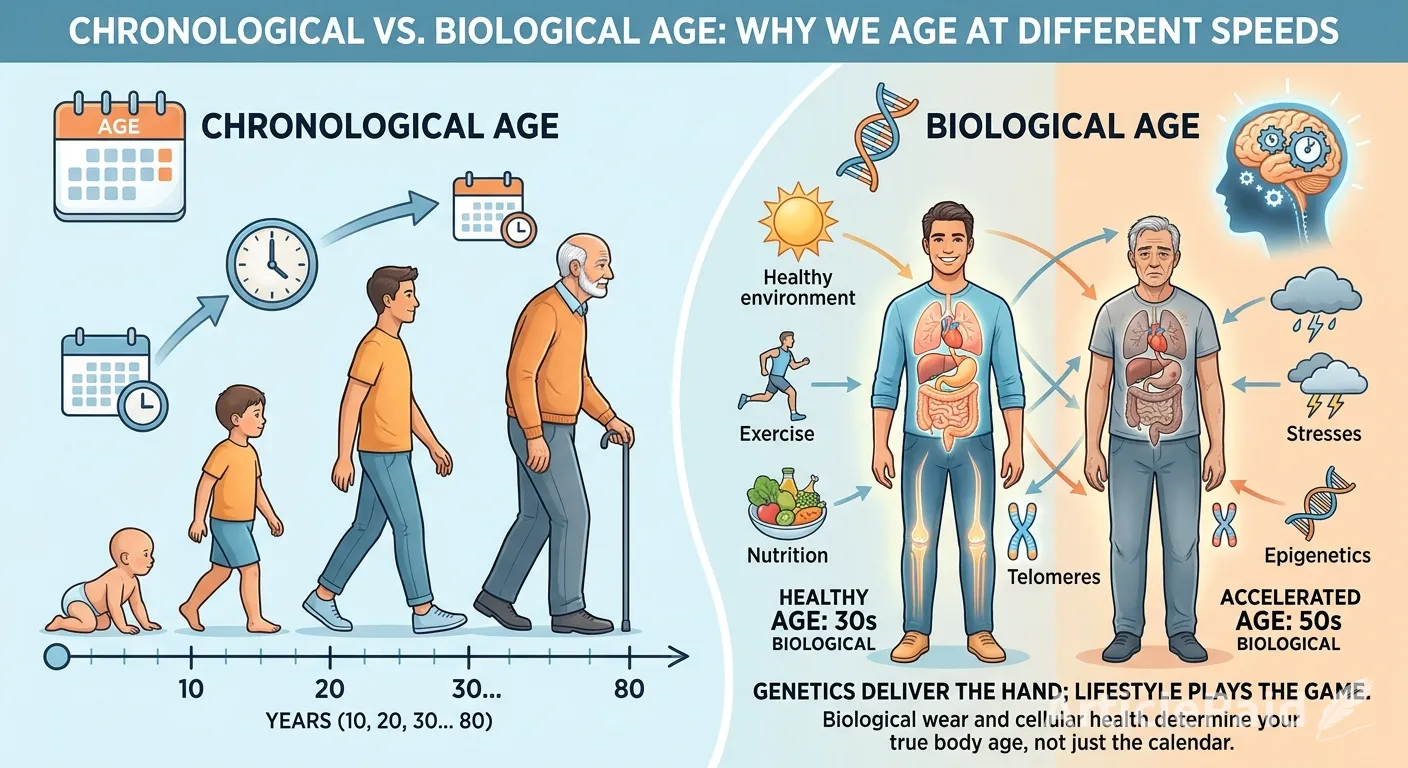
- Diet and Nutrition: Eating foods high in antioxidants helps fight off oxidative stress—a process where unstable molecules called free radicals damage your cells. A poor diet full of processed foods accelerates this cellular breakdown.
- Sleep Quality: Sleep is when your body goes into deep repair mode. Chronic sleep deprivation ages the brain and skin much faster because cells miss out on crucial nighttime maintenance.
- Stress Levels: High levels of the stress hormone cortisol over a long period can actually damage DNA and shorten telomeres prematurely. Stress literally wears you down on a cellular level.
- Physical Activity: Regular exercise improves cardiovascular health, boosts muscle mass, and keeps blood flowing smoothly, which nourishes cells and keeps organs young.
Epigenetics: The Software Update
If your DNA is the hardware of your body, epigenetics is the software. Epigenetic tags sit on top of your genes and act like dimmer switches, turning certain genes "on" or "off."The amazing thing is that your lifestyle can change these switches. Poor habits can flip the switches that promote inflammation and disease, speeding up aging. Conversely, healthy habits like exercising, eating clean, and managing stress can flip switches that protect your cells and keep your biological clock running slow.Conclusion
Aging isn't just a simple countdown timer; it is a complex mix of the genes you were born with and how you treat your body every single day. While we can’t stop time from marching forward, understanding how biological aging works gives us a lot of power to keep our bodies feeling young, vibrant, and healthy for as long as possible.
More from ArticlePaid
SMOG: A SILENT THREAT TO HEALTH AND ENVIRONMENT
Smog is a harmful air pollutant formed by the interaction of sunlight with pollutants like vehicle emissions and industrial fumes. It reduces visibility, causes respiratory and environmental issues, and poses serious health risks, especially in urban and industrial areas.
Aliens, Universe Secrets & Hidden Human History: What Scientists & Governments
The search for extraterrestrial life has captivated humanity for decades. From ancient cave paintings depicting strange beings to ...

Top 10 Largest Earthquakes Ever Recorded in History
Discover the top 10 largest earthquakes ever recorded in history, including their magnitudes, locations, and the widespread impact they had across the globe.
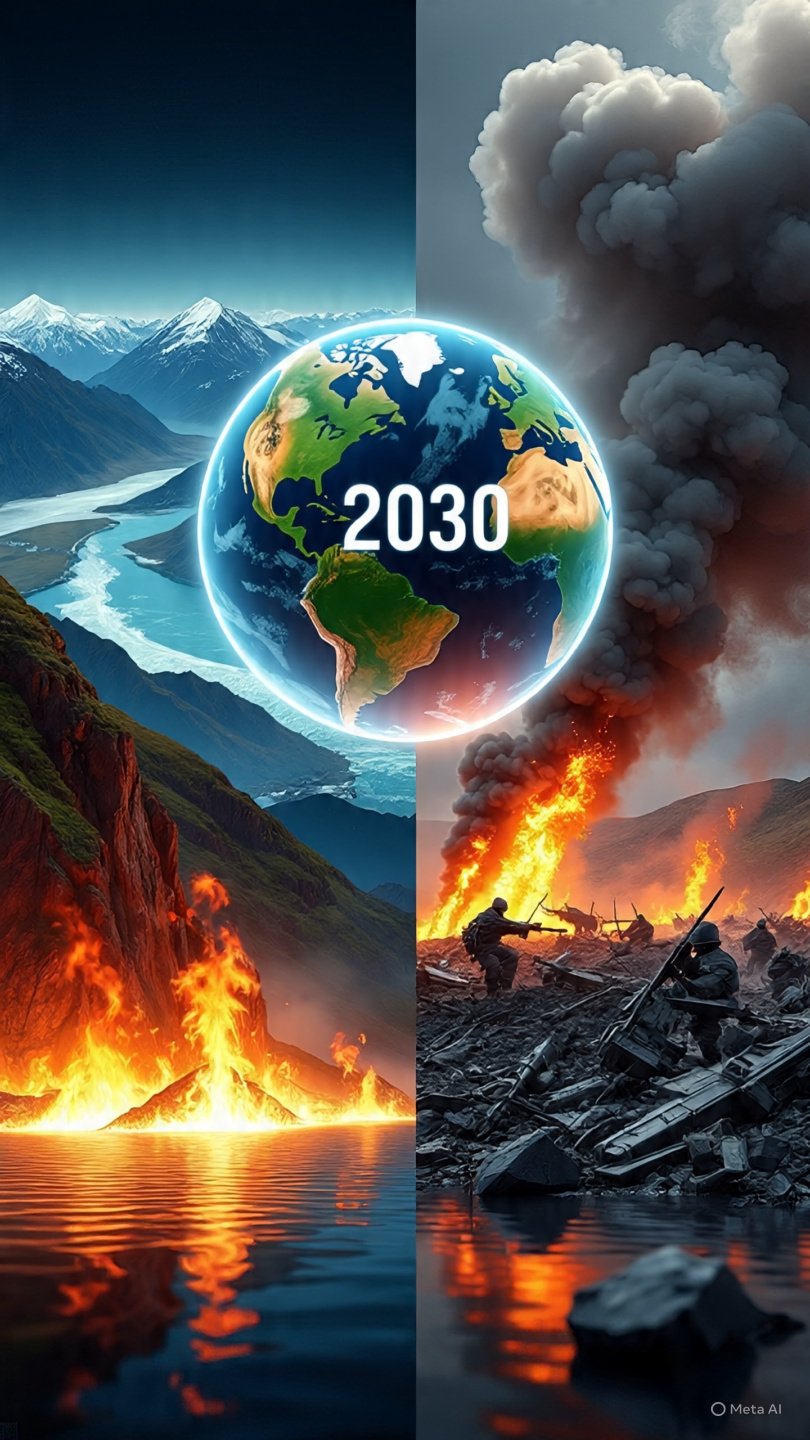
Is Climate Change & War Threatening the Global Future by 203
In today’s uncertain global landscape, many people are asking an important question: is the future of the world by 2030 at risk due to climate change and r

What’s Inside a Big Bore Air Rifle That Delivers Such Impact
AEA Zeus .72 Cal is a powerful big bore air rifle, built for extreme hunting performance, accuracy, and serious impact.
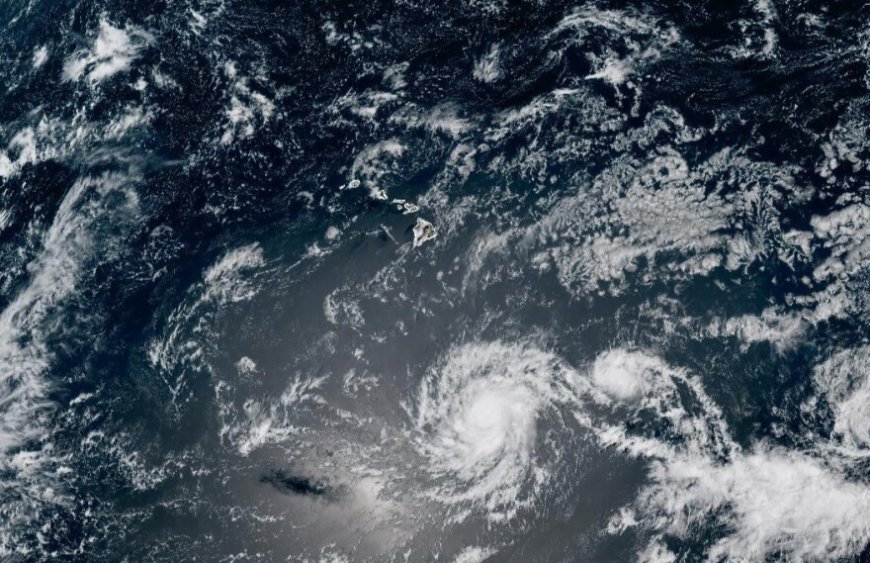
All you need to Know About Tropical Storm Keli
A detailed overview of Hurricane Iona and Tropical Storm Keli in the central Pacific—tracking their origins, intensities, paths, impacts, and outlook
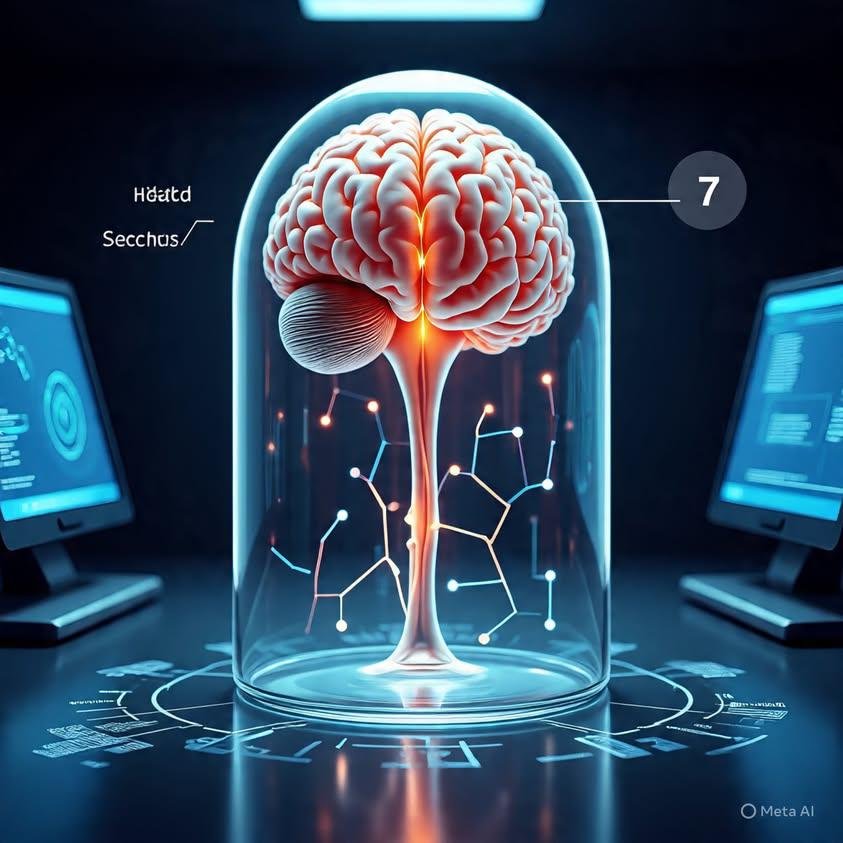
7 Hidden Secrets of the Brain That Will Blow Your Mind
7 Hidden Secrets of the Brain That Will Blow Your MindThe human brain is the most powerful organ, yet most people know very little about how it truly works
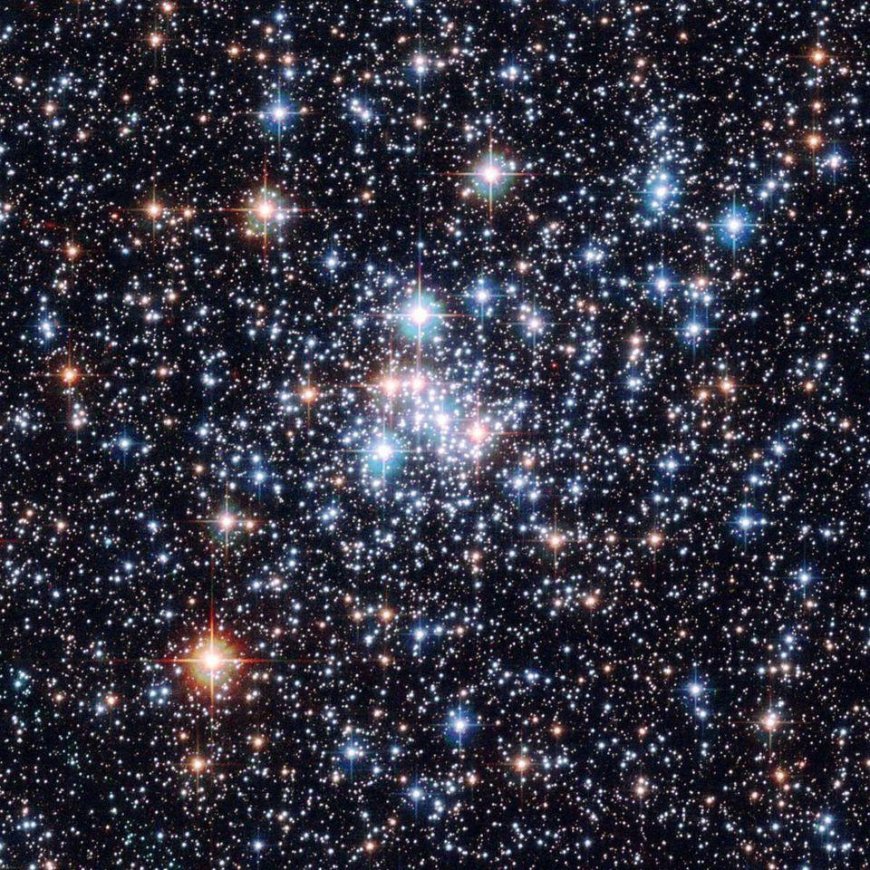
Is there other Civilization in the Universe?
The possibility of other civilizations in the universe is a fascinating question. With billions of galaxies and countless planets, many scientists believe intelligent life could exist beyond Earth. Efforts like exoplanet studies, the Search for Extraterrestrial Intelligence (SETI), and biosignature detection aim to find evidence. However, the Fermi Paradox questions why we haven't encountered aliens yet. Theories range from life being rare to civilizations self-destructing before reaching interstellar travel. While no proof exists yet, ongoing research may one day answer whether we are alone in the universe.
How Science Is Helping Us Understand a Changing Planet
Our planet is constantly changing, and science helps us understand what is happening beneath our feet, in the oceans, in the atmos...
Weekly Top Articles

8 Methods to Write the Next Short Story After a Successful Hit
When Your Success Becomes Your Next ChallengeYou have published your first short story, and you feel proud to receive positive rev...

Why Saving Money Won't Make You Rich: 7 Ways to Wealth
Introduction: Will Saving Make You Richer?Everybody wants to leave school and enter a bright financial future. Most people think t...

Healthy soup for cold& cough- comforting Ginger Garlic soup
IntroductionWarm up with this easy, healthy and tasty homemade Ginger Garlic Soup. This soup has been made using fresh ingredients...

How Can I Use AI to Grow My Business and Make More Money in 2026?
IntroductionArtificial intelligence can make life easier for entrepreneurs, both big and small. Using artificial intelligence tool...
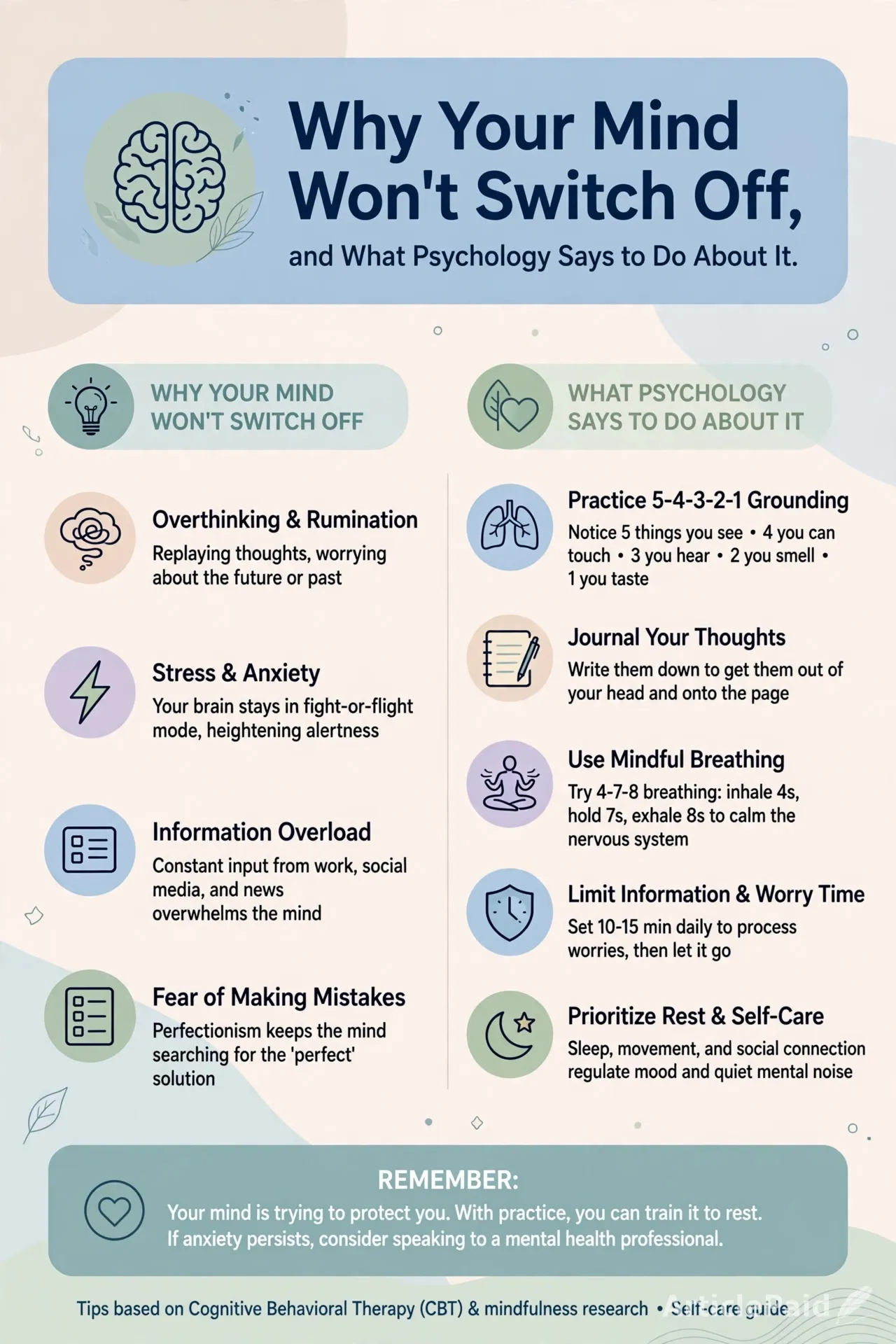
Why Your Mind Won't Switch Off, and What Psychology Says to Do About It
Last month's embarrassing text. Tomorrow's presentation. A decision you've already made but keep re-examining like it's evidence i...

Why You Procrastinate and How to Actually Stop: Easy Tips to Help You Start Now
IntroductionMany people procrastinate, and it stops you from achieving your goals. Procrastination may come in the form of avoidin...






Responses (0)
Sign in to share your thoughts.
Sign in